
Marek Hemmann
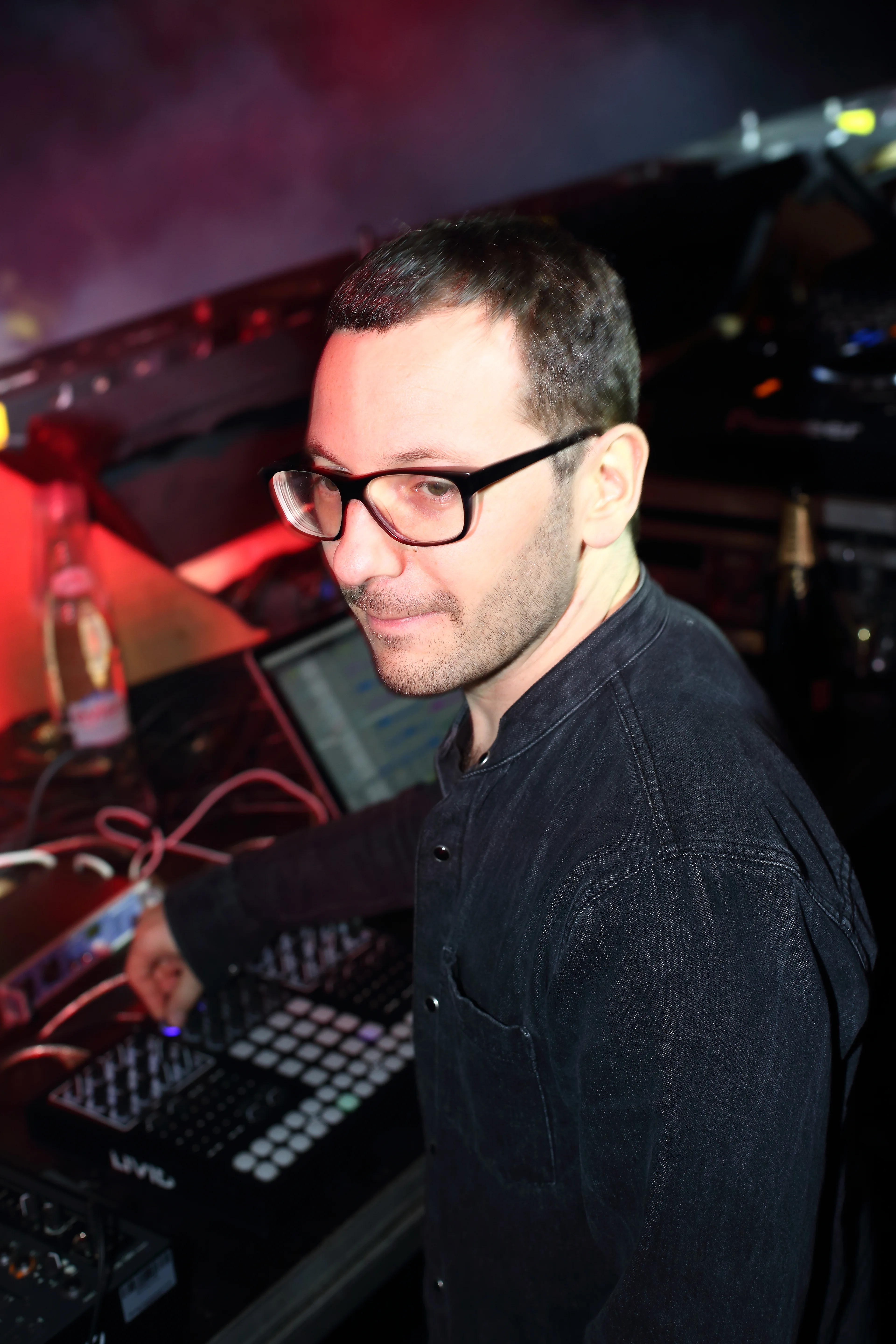
Image from Wikipedia
Image from Wikipedia
Marek Hemmann – Minimal Techno with Soul, Groove, and a Clear Live Focus
A precise portrait of a German electronic artist at the intersection of club culture, melody, and live aesthetics
Marek Hemmann, born in 1979 in Gera, is among the defining German musicians and music producers in the realm of electronic music and Minimal Techno. His career intertwines early guitar practice, a fascination with techno parties in the Thuringian region, and a progression that has led him from studio experimenter to sought-after live artist. Since 2005, he has been living in Jena, a city that became an important hub for the East German electronic scene in the 2000s. ([de.wikipedia.org](https://de.wikipedia.org/wiki/Marek_Hemmann))
Biography: From Guitar Beginnings to Electronic Signature
Hemmann started musically with the guitar, but early on, his interest shifted to electronic sound design. His first original tracks were created in the 1990s in a private setting, before serious artistic development emerged from house parties, local techno nights, and exchanges with like-minded individuals. According to biographical sources, the scene around Gera and later Jena was crucial in shaping him as a producer and performer. ([de.wikipedia.org](https://de.wikipedia.org/wiki/Marek_Hemmann))
The Jena connection is central to Hemmann's career. Along with Mathias Kaden, he released his first tracks on the label Freude Am Tanzen starting in 2003; the duo Hemmann & Kaden developed into one of the label's most distinctive acts in the following years. This early phase already demonstrates how strongly Hemmann worked between collective club DNA and individual signature. ([laut.de](https://laut.de/marek-hemmann))
Career Beginnings and Artistic Breakthrough
As a solo artist, Hemmann began making his own marks in the mid-2000s. In 2006, his debut maxi "EP" was released on Raum...musik, followed by further releases like “Junoka” and “Gemini,” which brought him increasing attention in the scene. In particular, “Gemini” made its way into the sets of well-known DJs and prepared the ground for his debut album “In Between,” which was released in 2009. ([laut.de](https://laut.de/marek-hemmann))
The actual artistic breakthrough was not designed as a sudden pop moment, but rather as a steady intensification of sound, groove, and recognizability. According to laut.de, 2009 was considered Hemmann's most successful year to date; he showcased his live qualities particularly clearly during the club presentation of the first album. This mix of production depth and stage presence shapes his profile to this day. ([laut.de](https://laut.de/marek-hemmann))
Labels, Remixes, and the Language of Minimal Techno
Hemmann primarily releases his records through Freude am Tanzen and Raum...Musik. In his work, stripped-down Minimal Techno, warm house elements, and a melodic sensitivity collide, setting his productions apart from merely functional club music. Official biographical texts describe his sonic language as groovy, minimalist, and strongly melody-oriented. ([de.wikipedia.org](https://de.wikipedia.org/wiki/Marek_Hemmann))
Hemmann is also present as a remixer. His official website lists remixes for Klangkarussell, Oliver Koletzki & Fran, Pentatones, Dapayk & Padberg, Marbert Rocel, Mooryc, and Douglas Greed, among others. This shows an artist who not only shapes his own pieces but also translates external material into his characteristic, focused sound. ([marekhemmann.com](https://www.marekhemmann.com/music/marek-hemmann/))
Discography: From Debut Album to the “Five” Series
Hemmann's discography shows remarkable continuity. The albums “In Between” (2009), “Only Our Hearts to Lose” (2011), “Bittersweet” (2013), “Moments” (2016), and “Five” (2024) mark key stages in his long development. Already the debut album combined club-compatible structure with emotional depth; later works expanded this idea into a more articulated, mature sonic language. ([de.wikipedia.org](https://de.wikipedia.org/wiki/Marek_Hemmann))
His official music page also features earlier milestones like “The Early Years” (2007) and numerous singles, including “Orange,” “Mostly,” “Tacker,” “Better,” “Replay,” “Indigo,” “Pluto,” “Jumbo,” and “Amina.” This release line makes it clear that Hemmann often thinks of his music serially: as an ongoing series of pieces that comment on and expand each other. ([marekhemmann.com](https://www.marekhemmann.com/music/marek-hemmann/))
Particularly noteworthy is the collaboration with Fabian Reichelt under the name Marian on “Only Our Hearts to Lose.” This partnership anchors Hemmann not only as a producer but also as an artist with a knack for vocal formats and song-oriented dramaturgies. This extends his spectrum beyond pure club functionality. ([de.wikipedia.org](https://de.wikipedia.org/wiki/Marek_Hemmann))
Musical Development: Between Dance Floor, Detail Work, and Atmosphere
Hemmann's style is fundamentally minimalist but never cold. The productions work with finely balanced loops, subtle arcs of tension, and a clear textural balance between percussion, bass line, and melodic motif. It is precisely in this reduction that the strength lies: the pieces do not feel overloaded but rather focused and atmospheric. ([de.wikipedia.org](https://de.wikipedia.org/wiki/Marek_Hemmann))
The official artist description speaks of “groovy house,” “minimalist techno,” sound sensitivity, and melodic joy. This wording fits well with Hemmann’s understanding of music, as his tracks do not aim for maximum hardness but for movement, warmth, and recognizability. In the European electronic scene, this positions him as a producer with a clear profile and high replay value. ([wikidata.org](https://www.wikidata.org/wiki/Q1894572?utm_source=openai))
Current Projects and Releases
In 2024, a new album titled “Five” was released, prominently featured on the official website, underscoring the artist's ongoing activity. Additionally, the official site continues to showcase current catalog management, shop offerings, and a structured presence across digital distribution channels like Bandcamp, Apple Music, Spotify, Deezer, SoundCloud, and YouTube. This underscores that Hemmann is not just a name from the early 2010s but a continuously active electronic producer. ([marekhemmann.com](https://www.marekhemmann.com/music/marek-hemmann/))
Another indication of his ongoing productivity is the Bandcamp entry for “In Between,” released in early 2025, reflecting continued catalog work and renewed visibility of older works. In total, this presents an artist who not only continues to expand his discography but also curates it. ([marek-hemmannde.bandcamp.com](https://marek-hemmannde.bandcamp.com/album/in-between?utm_source=openai))
Critical Reception and Scene Classification
The press has long read Marek Hemmann as an important part of the central German electronic network. laut.de classifies him alongside Wighnomy Brothers and Mathias Kaden as part of the scene that made Jena a small but refined center of electronic music. This classification is culturally and historically important, as it reveals Hemmann not as an isolated producer but as a part of a regional style development. ([laut.de](https://laut.de/marek-hemmann))
The success line of his releases also speaks to a respected position in the club and label context. “Gemini” found its way into the sets of prominent DJs, “Bittersweet” peaked at number 54 on the German charts in 2013, and the official website documents a stable release strategy over the years. For electronic music, this is a strong combination of scene recognition, chart presence, and sustainable catalog management. ([laut.de](https://laut.de/marek-hemmann))
Cultural Influence: Jena, Thuringia, and the German Electronic Landscape
Hemmann exemplifies a generation of German electronic producers that has grown outside the major metropolises yet is still heard nationwide. In the 2000s, producers and DJs like Wighnomy Brothers, Mathias Kaden, and Hemmann formed a unique musical climate in Jena that stood for precision, openness, and sound depth. This regional grounding makes his career culturally and historically interesting. ([laut.de](https://laut.de/marek-hemmann))
Moreover, his role as a live artist is significant. The official website explicitly distinguishes between studio work and live performance, which is crucial for the aesthetics of his music: Hemmann thinks of tracks not just for the record but for the space, the dynamics, and the moment on stage. This is where his enduring relevance for club culture and contemporary electronic music lies. ([de.wikipedia.org](https://de.wikipedia.org/wiki/Marek_Hemmann))
Conclusion: Why Marek Hemmann Remains Exciting
Marek Hemmann combines technical precision with melodic instinct, securing a firm place in the German Minimal Techno and house landscape. His career may not be loud, but it is consistent: from guitar beginnings through Jena's techno nights to a catalog that today encompasses albums, singles, remixes, and live experiences. Those seeking electronic music with depth, warmth, and clear arrangement will find an artist with substance here. ([de.wikipedia.org](https://de.wikipedia.org/wiki/Marek_Hemmann))
Especially live, Hemmann unfolds the tension that characterizes his productions: reduced means, strong impact, precise timing, and a sense for the space. Anyone who experiences him on stage hears not just club music but an independent musical stance. A visit is worthwhile for all who want to not only consume electronic music but also experience it physically and emotionally. ([laut.de](https://laut.de/marek-hemmann))
Official Channels of Marek Hemmann:
- Instagram: https://www.instagram.com/marekhemmann/
- Facebook: https://www.facebook.com/marekhemmann.music
- YouTube: https://www.youtube.com/user/marekhemmannmusic
- Spotify: No official profile found
- TikTok: No official profile found