
Michael Rösch
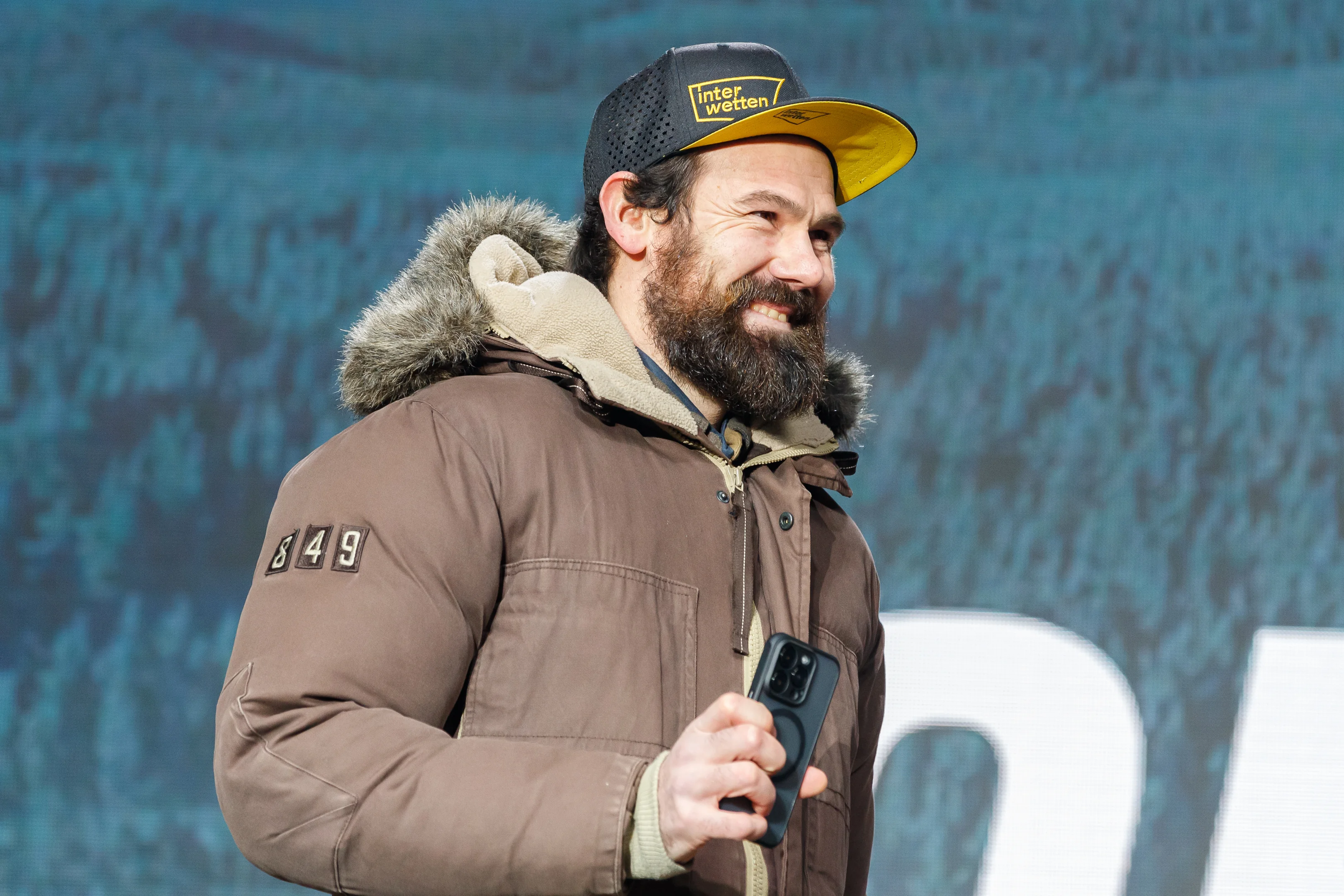
Image from Wikipedia
Image from Wikipedia
Michael Rösch – the biathlete who continually fought back against adversity
An extraordinary career path between Olympic gold, nationality change, and comeback
Michael "Ebs" Rösch is one of the most prominent biathletes of his generation. Born on May 4, 1983, in Pirna and raised in Zinnwald-Georgenfeld, he left a significant mark on German and later Belgian biathlon with a career filled with early successes, sporting setbacks, and remarkable perseverance. His name represents an athlete who not only won medals but also continuously reinvented himself after setbacks. ([de.wikipedia.org](https://de.wikipedia.org/wiki/Michael_R%C3%B6sch))
Early influences and the entry into biathlon
Rösch began biathlon at the age of nine, following a family tradition of sports: he is the son of former biathlon world champion Eberhard Rösch. Even in his youth, he collected international titles and developed into one of the most outstanding talents of his cohort. A four-time junior world champion, and successful multiple times in the relay and sprint, he laid a foundation early on that quickly led him to the World Cup. ([de.wikipedia.org](https://de.wikipedia.org/wiki/Michael_R%C3%B6sch))
His World Cup debut took place in 2004, and soon Rösch established himself with podium finishes and a high athletic level. In 2005, he celebrated his first World Cup podium in Osrblie, before achieving a significant breakthrough at the highest level in Ruhpolding. The development initially appeared as a straightforward ascent, but therein lies the tension of his career: Rösch's career was never just a series of victories but a interplay of new beginnings, pressure to perform, and resistance. ([de.wikipedia.org](https://de.wikipedia.org/wiki/Michael_R%C3%B6sch))
Olympic victory in Turin and the status of a hopeful
The highlight of his first career phase came in 2006 at the Olympic Winter Games in Turin when Rösch won gold with the German relay team. In the years that followed, he won three World Championship bronze medals with the relay and established himself as a key player in the team. In the overall World Cup standings of 2006/07, he finished fifth and was considered by experts at times as the greatest German biathlon talent of his generation. ([de.wikipedia.org](https://de.wikipedia.org/wiki/Michael_R%C3%B6sch))
A look at his overall record further emphasizes this quality: four World Cup wins, including two individual and two relay triumphs, along with numerous podium finishes and international medals. Rösch was not a spectacular athlete who operated only in one discipline but a versatile biathlete with strong relay presence, solid shooting performance, and high competitive toughness. This mix made him a valuable team athlete for many years. ([de.wikipedia.org](https://de.wikipedia.org/wiki/Michael_R%C3%B6sch))
The career downturn and the long road back
From 2010 onwards, Rösch's career stalled. Performance fluctuations, sporting setbacks, and missed nominations forced him to compete at times in the IBU Cup and Germany Cup. The situation culminated in 2012 with a falling out with the German Ski Association, which ultimately led to a change of nationality. Rösch gave up his position at the Federal Police and underwent a lengthy process to obtain Belgian citizenship. ([de.wikipedia.org](https://de.wikipedia.org/wiki/Michael_R%C3%B6sch))
The switch to Belgium in 2014 was not only formal but also a sporting and personal turning point. As Belgium initially did not have a fixed World Cup quota, Rösch had to fight his way back into the elite through qualifications and wildcards. With silver and gold at the Summer Biathlon World Championships 2014 in Tjumen, he made his first marks for his new biathlon chapter, before achieving his strongest World Cup result after the nationality change with a sixth-place finish in the pursuit race in Pokljuka in 2016. ([de.wikipedia.org](https://de.wikipedia.org/wiki/Michael_R%C3%B6sch))
Later years, retirement, and work as an expert
Rösch ended his competitive sports career on January 12, 2019, in Oberhof; his last World Cup race took place in February 2019 in Canmore. After retiring, he remained closely connected to biathlon and worked as a coach at the Altenberg training center from May 2019 until summer 2020. Since the 2021/22 season, he has been working as an expert and co-commentator for biathlon broadcasts on Eurosport. ([de.wikipedia.org](https://de.wikipedia.org/wiki/Michael_R%C3%B6sch))
This transition from active athlete to expert fits Rösch's profile. He brings experience from Olympic victories, difficult phases of development, and an international change of nationality. As a result, he possesses the authority in the media depiction of biathlon that stems not from distance but from lived career experience. ([munzinger.de](https://www.munzinger.de/register/portrait/biographien/roesch%20michael/01/7032))
Style, personality, and sporting profile
For many years, Rösch was regarded as an honest, straightforward person with a clear stance and high resilience. Reports on his journey emphasize not only successes but also sacrifices, financial risks, and a willingness to make significant personal cuts for his career. This is precisely where his charisma lies: he embodies the biathlete who not only performs well in perfect phases but also generates performance in fight mode. ([sport1.de](https://www.sport1.de/news/wintersport/biathlon/2016/12/biathlon-der-steinige-weg-des-michael-roesch))
His career also tells a lot about the harshness of high-performance sports in biathlon. Individual results, relay responsibilities, changing performance curves, and dependence on association structures were just as much part of his journey as shooting precision, running strength, and mental stability. Rösch's career illustrates how closely athletic success and biographical burdens are intertwined in professional sports. ([de.wikipedia.org](https://de.wikipedia.org/wiki/Michael_R%C3%B6sch))
Cultural impact and placement in biathlon history
Michael Rösch will be remembered as an Olympic champion, relay member, and comeback athlete. He belongs to that rare group of athletes whose names are not only associated with a medal but with a whole narrative arc of talent, crisis, and perseverance. His career connects the German biathlon tradition with an unusual Belgian twist, making him historically interesting as well. ([de.wikipedia.org](https://de.wikipedia.org/wiki/Michael_R%C3%B6sch))
For winter sports fans, Rösch is a symbol of resilience. His stations from Turin through a sporting slump to a renewed Olympic start for Belgium paint the picture of an athlete who was never satisfied with a single definition of success. That is what makes him exciting: he represents the uncomfortable, authentic side of elite sports, where greatness is demonstrated not only in gold but also in rising again. ([munzinger.de](https://www.munzinger.de/register/portrait/biographien/roesch%20michael/01/7032))
Conclusion: Michael Rösch is a biathlete with an extraordinary biography, Olympic shine, and a rare mix of talent, toughness, and perseverance. Following his story reveals not a linear career arc but an intense athlete's life filled with breaks, new beginnings, and a strong second chapter for Belgium. This is why he remains a fascinating figure in biathlon and an athlete to be remembered by sports fans. ([de.wikipedia.org](https://de.wikipedia.org/wiki/Michael_R%C3%B6sch))
Official channels of Michael Rösch:
- Instagram: https://www.instagram.com/mikkl_roesch/
- Facebook: https://www.facebook.com/Michael-Ebs-R%C3%B6sch-234162016646472/
- YouTube: No official profile found
- Spotify: No official profile found
- TikTok: No official profile found
Sources:
- Michael Rösch – Official Website
- Munzinger Biography – Michael Rösch
- SPORT1 – "Biathlon: The Rocky Road of Michael Rösch"
- Wikipedia – Michael Rösch
- Wikipedia: Image and text source