
Tanz
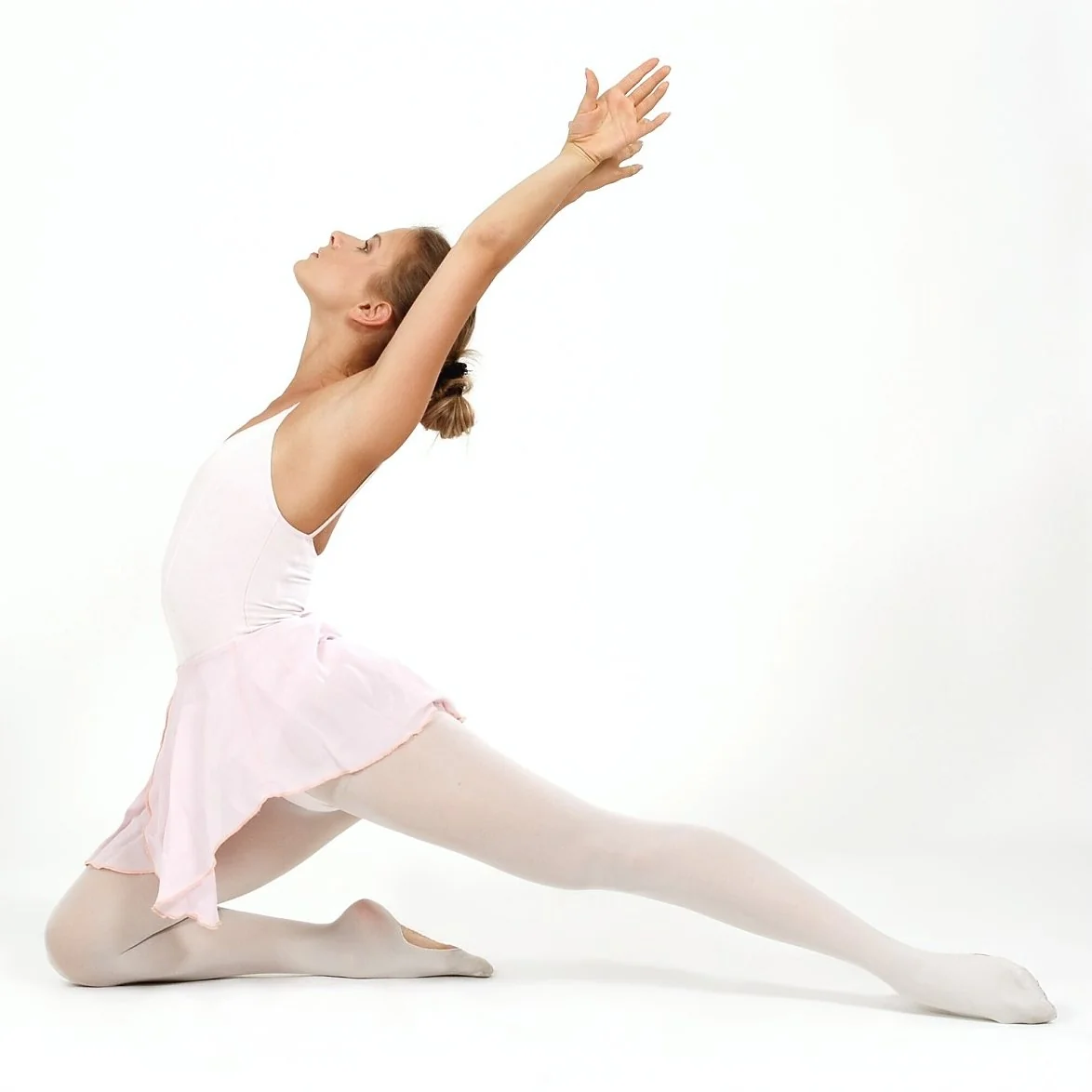
Image from Wikipedia
Image from Wikipedia
Dance
Dance as a Language of the Body: An Art Form Between Ritual, Expression, and Energy
Dance is one of the oldest forms of cultural expression in humanity. It transforms musical stimuli into movement, connecting rhythm, body awareness, emotion, and community into an immediate form of communication. In its diversity, dance ranges from ritual practices to social gatherings and to the highly developed stage art found in theater, ballet, modern choreography, and contemporary performances. ([britannica.com](https://www.britannica.com/art/dance?utm_source=openai))
What Dance is at its Core
In the broadest sense, dance describes rhythmic body movement, usually to music, with aesthetic and often symbolic significance. This movement is not merely performed, but shaped: through form, repetition, dynamics, spatial relations, and the conscious use of gestures and facial expressions, an artistic structure is created. Thus, dance is not just a physical process, but a compositional art in which movement becomes a carrier of meaning. ([britannica.com](https://www.britannica.com/art/dance?utm_source=openai))
The practice of human dance has always fulfilled various functions. It can be religious, social, military, festive, therapeutic, competitive, or purely aesthetic. This very range makes dance so fascinating from a cultural-historical perspective: it is at once a ritual and a form of expression, a communal experience and an individual gesture, body work and a symbolic language. ([britannica.com](https://www.britannica.com/art/dance/Problems-in-defining-dance?utm_source=openai))
Ritual, Community, and Cultural Identity
In many societies, dance serves to make belonging visible. It accompanies initiation rites, religious celebrations, seasonal festivals, and communal transitions, fostering social bonds. UNESCO describes dance as part of the intangible cultural heritage, capable of expressing feelings, moods, or specific actions through rhythms, steps, and gestures. ([ich.unesco.org](https://ich.unesco.org/en/performing-arts-00054?utm_source=openai))
This cultural anchoring explains why dance often means more than entertainment in traditional societies. It preserves memories, marks belonging, and carries values from generation to generation. In this function, dance becomes a living archive of cultural identity, constantly renewing itself without losing its roots. ([ich.unesco.org](https://ich.unesco.org/en/performing-arts-00054?utm_source=openai))
Stage Art, Choreography, and Theatrical Impact
As a performing art, dance achieves its greatest impact on stage, where movement, space, costume, light, and music merge into a dramatic unity. In this form, pure movement sequences transform into precisely composed choreography that does not explain emotions but makes them visible. Especially the repertoire of theater and stage dance has shown how powerfully physical movement can be translated into narrative and abstract forms. ([britannica.com](https://www.britannica.com/art/dance/Problems-in-defining-dance?utm_source=openai))
The history of dance as stage art is closely linked to stylistic innovations. Modern choreographic approaches broke away from rigid court traditions and opened up to contemporary themes, new body images, and musical experiments. As a result, dance gained enormous expressive depth: no longer merely ornamentation, but an independent art form with dramatic and intellectual power. ([britannica.com](https://www.britannica.com/art/dance/Theatre-dance?utm_source=openai))
Dance as Sport, Training, and Body Discipline
In addition to its aesthetic dimension, dance has a sporting and body-forming value. It promotes coordination, motor skills, balance, muscle strength, and body control, while complex movement sequences demand concentration and discipline. This offers a unique appeal: dance trains the body while simultaneously honing perception, timing, and presence. ([en.wikipedia.org](https://en.wikipedia.org/wiki/Dance?utm_source=openai))
Many forms of dance cross the boundary between art and sport. Competitions, show formats, and professional dance productions reveal how closely technique, endurance, and stage presence are interconnected. Yet, even where points, precision, and physical performance take center stage, dance remains primarily an aesthetic process in which expression and form cannot be separated. ([britannica.com](https://www.britannica.com/art/dance/Problems-in-defining-dance?utm_source=openai))
Musicality, Rhythm, and Emotional Intensity
The close connection between dance and music shapes its impact to this day. Rhythm structures movement, tempo shapes tension arcs, accents generate energy, and pauses create meaning. Dance responds to music not only illustratively but dialogically: the body listens, responds, and translates sound into visible dynamics. ([britannica.com](https://www.britannica.com/art/dance?utm_source=openai))
Especially in music and pop culture, dance has an enormous reach because it condenses songs emotionally and transforms them into collective images. A powerful dance moment can make a melody, a beat, or a refrain unforgettable as sound and movement reinforce each other. This creates that special form of live energy that makes dance nights, stage shows, and festival experiences so intense. ([britannica.com](https://www.britannica.com/art/dance/Problems-in-defining-dance?utm_source=openai))
Cultural Influence and Contemporary Relevance
The cultural influence of dance extends far beyond theater. It shapes pop culture, social media, fitness, therapy, and intercultural exchange. As a form of expression, dance remains adaptable, functioning without language while communicating complexly. This very universality makes it one of the most effective art forms globally. ([britannica.com](https://www.britannica.com/art/dance?utm_source=openai))
Today, dance and choreography exist in a tension between tradition and innovation. Classical forms, urban styles, contemporary dance, and experimental performances meet at festivals, in theaters, and digital spaces. In this way, dance remains a vibrant contemporary art: changeable, physical, emotional, and always open to new impulses. ([britannica.com](https://www.britannica.com/art/dance/Problems-in-defining-dance?utm_source=openai))
Conclusion: Why Dance Continues to Fascinate
Dance fascinates because it makes something fundamentally human visible: the desire to translate feelings, community, and identity into movement. It connects body and music, tradition and present, discipline and freedom. Those who experience dance live feel immediately how powerfully this art form transforms spaces and connects people. ([britannica.com](https://www.britannica.com/art/dance?utm_source=openai))
Whether as a ritual, a stage experience, or a personal form of expression: dance remains an art of the moment and at the same time a cultural memory. For this reason, every encounter with it is worthwhile, especially where movement, music, and presence converge in real time. Those who experience dance live experience culture in its most immediate form. ([britannica.com](https://www.britannica.com/summary/dance?utm_source=openai))
Official Channels of Dance:
- Instagram: no official profile found
- Facebook: no official profile found
- YouTube: no official profile found
- Spotify: no official profile found
- TikTok: no official profile found
Sources:
Upcoming Events
DISCO with Wild & Dance Bar
DISCO with Wild & Dance Bar
DISCO with Wild & Dance Bar
Dance of Feelings – Finding Inner Balance Summer, Sun, Freedom
Live Concert with the RS Dance Combo in the Kurpark
Folk Music in the Brunnenhof: Oberlauser Tanzlmusi
Dancing Together - Flashmob
Tanzwald
Dance, dance, otherwise we are lost